
Pandemic a definition:
‘an occurrence in which a disease spreads very quickly and affects a large number of people over a wide area or throughout the world.’
For us all 2020, 2021 and 2022 will be remembered in history as years that a Coronavirus pandemic changed the freedom of the world we had known before.
The Beginning
It was a sombre and scary evening on the 23rd March in 2020 when the Prime Minister told us all to #stayhome #protectthenhs. Only one hour of exercise permitted each day and sparse and considered trips to heavily policed one-way supermarkets in masks became the new normal. As the months passed the restrictions relaxed, changed and modified only to come back in full force over the Christmas period that year. Although such strict restrictions never returned again it certainly left an elephant in the room, could this happen again?
People rallied with face mask making, back garden conversations, online meet-ups and socially distanced walks. There was a united, almost a war like resilience response to the pandemic.. for a while…
Losing my Identity
At the time I worked in the museum and heritage industry in a project based role. The project was halted immediately and it soon became clear that it wouldn’t be continued. I am grateful for the buffer of furlough that lasted for a few months until the project officially ended in August 2020.
Trying to embrace change but with every ‘no’ after interviews to the limited positions on offer in an industry hit hard by the pandemic was mentally so tough. I tried to look at transferring my skills but eventually I was left little option other than to return to a profession I had left long ago much for the same reasons many are leaving it today – Healthcare. I would like to say I was answering the call, but this really was necessity, I have a family to support. It did help to feel I was there behind the front line to support the vulnerable during such a horrific time. The first setting, a specialist hospital showed me that healthcare workers are expected to put their lives on the line for very little reward or concern. I would say it traumatised me enough to go back to therapy. Which it did!
Resilience
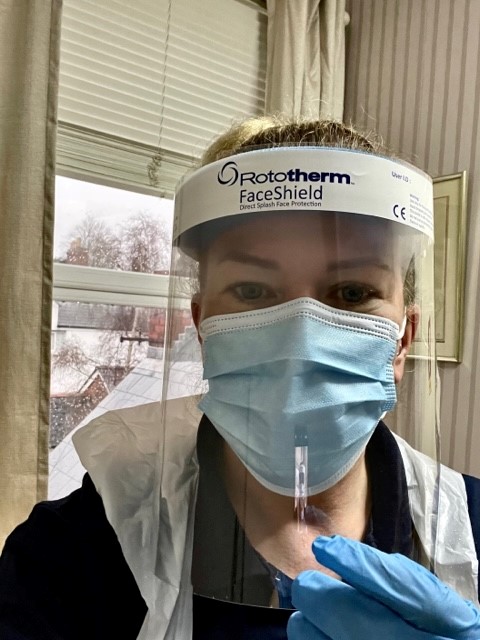
I still needed to work but looked at working the least that I could to preserve my own mental health so I returned to a different setting part-time. Here I was caring for the vulnerable in a residential home setting as a Social Health Care Worker. Keeping the most vulnerable in society safe and well throughout the pandemic. This meant weekly PCR testing and lateral flow testing twice weekly and for nearly 2 years this was the weekly routine. This was only broken by periods of ‘incident’ where the whole home would be tested again and we would suffer a double lockdown including on visits. Working shifts was made physically harder by working in full PPE and in a setting that for a long time was limited to visits by one person only or not at all for the residents.
It was easy to see how the process of institutionalisation occurs. By far the toughest part of the whole experience was watching people slowly fade away with little contact with their families. I saw first-hand what the withdrawal of social contact has on the human mind and body.
Clap Back
The staff team at the residential home where I was working were fabulous. Absolutely ‘real’ angels dedicated to stimulating, caring and protecting every individual within their care. Definitely not paid enough and definitely not supported by work life balance or choices and opportunities that a higher wage could support (such as working less hours). This statement applies across all healthcare settings.
And, There is More?
It was during this time my mother was diagnosed with a triple negative breast cancer following gallbladder removal. The first part of this process was conducted during those heavily social distanced times and it wasn’t possible to be there in person to support my mother through the process. We were one of the luckier families though as restrictions started to ease after the 3rd round of 6 rounds of chemotherapy. This process followed a unilateral mastectomy, the removal of her right breast. It gave me insight into what it was like to be on the other side of similar situations for those I was now caring for. To think about those who never got the chance to hold their loved ones and say goodbye, it always chokes me with pain to think about it…
I became my mother’s carer for over a year as she slowly regained the ability to live again more independently. Although mum has not returned to 100% we are lucky as she is now all clear. We hope as a family for that to continue long into the future.
How did you cope?
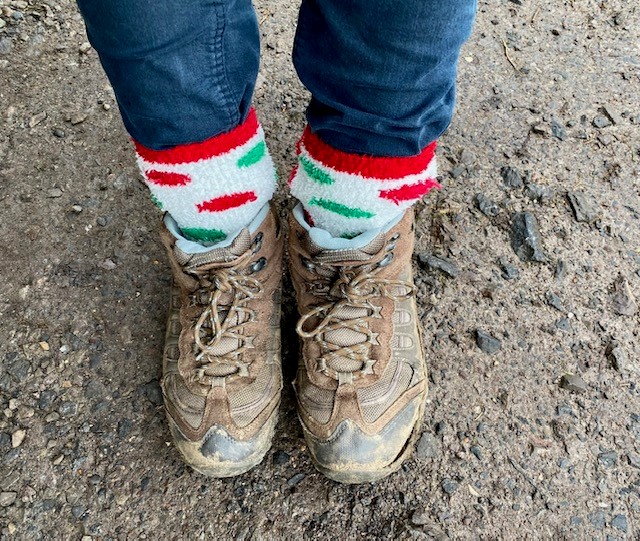
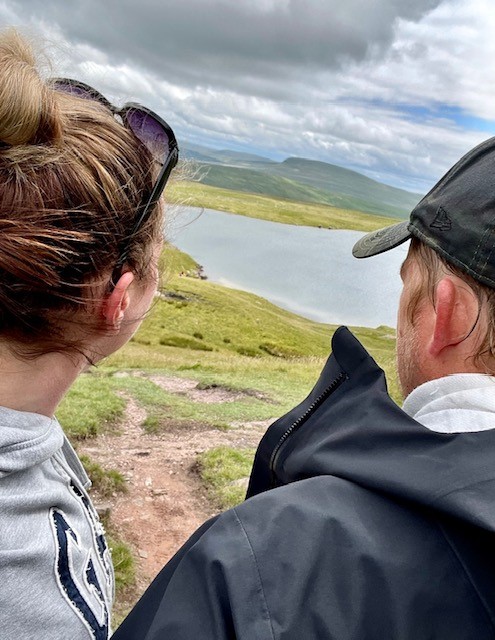
I turned to walking and my love of heritage as a positive way to try and cope with the ever growing burden and anxiety. My sense of purpose had gone, I felt I was being rail roaded on to walking a path I didn’t want to walk so I decided to choose one that I did. It was during this time I was able to map extreme emotions (yes emotion!) and responses to challenges that others seemed to take in their stride (or ignore) to neurodiversity. I am forever grateful for all those negative experiences as it led me to understand myself better and to begin to advocate for others like me.
Legacy
Personally, I believe the legacy of pandemic trauma runs deep and that the evidence for it will keep rising to the surface for many years to come. Mental health, the ability to communicate and our general health and well-being have all taken a massive hit. I have friends who found themselves having issues with alcohol and food, health issues, isolation and loneliness. Children have also suffered massively from broken education, restrictions on freedom and the impact of limited social interaction. As we know it’s still not really ‘over’, but we are learning to live alongside it. For some it is a return to the old normal, for some it has created a new normal – quite how the situation is prevented from happening again in the future isn’t clear.
On a personal note, I strongly feel that the neurodivergent community have found this period especially challenging. Almost daily changes of ‘rules’, unwritten conventions and a high level of conflict between words and actions led to heavy overwhelm and a higher level of accumulated daily trauma.
Lessons Learnt
- What I learnt from this experience is the importance of prioritising my own health and well-being. You cannot pour from an empty or broken cup. To fix and fill that cup you must provide self-care and this is not a luxury but a necessity.
- You can make a massive difference with a kind word or listening ear. In fact it is often these simple gestures that are the ones that people remember the most. A genuine How are you? Are you okay? or a simple smile can really make someone feel they are not alone.
- And most importantly to know you matter even on those days when you don’t even feel seen. You are enough.
To learn more about the Heritage Hiker’s journey see The Heritage Hiker’s Guide to Walking Back to Happiness


Upcoming Events
Book your space on these upcoming events
SWAW Walk Around Llanishen Reservoir
📅 8 November, 2026
Book Here